
How to Set Realistic Weekly Goals for Better Productivity
Setting realistic weekly goals is a powerful way to boost your productivity and maintain focus throughout the week. However, many people struggle with setting goals that are either too ambitious or too vague, leading to frustration and burnout. This guide will walk you through practical steps to create weekly goals that are both achievable and motivating, helping you make steady progress toward your bigger objectives.
Why Set Weekly Goals?
Weekly goals offer a manageable timeframe to focus your efforts and track your progress. Unlike daily goals, which can feel too small, or yearly goals, which may seem distant, weekly goals strike a balance by breaking down long-term plans into actionable steps. They give you a clear roadmap for your week and provide regular checkpoints to adjust your plan as needed.
Step 1: Reflect on Your Long-Term Objectives
Before setting weekly goals, take a moment to review your broader goals. Whether you want to improve your fitness, advance your career, or develop a new skill, understanding what you hope to achieve in the long run helps you set relevant weekly targets.
– Write down your main objectives.
– Identify what milestones you want to reach in the next few months.
– Consider which actions this week will move you closer to these milestones.
Step 2: Choose Specific and Measurable Goals
Vague goals like “exercise more” or “work on project” are hard to track and often get overlooked. Instead, aim for clear, specific goals with measurable outcomes.
For example:
– Instead of “exercise more,” set “walk 30 minutes, 5 days this week.”
– Instead of “work on project,” choose “complete the project outline by Wednesday.”
Specific goals help you stay focused and make it easier to evaluate your progress.
Step 3: Prioritize Your Goals
It’s easy to overload your to-do list with many goals, but this can lead to overwhelm. Focus on 3-5 key goals for the week that will have the most impact.
To prioritize:
– List all possible goals for the week.
– Rank them based on urgency and importance.
– Choose the top priorities that align with your long-term objectives.
Step 4: Break Goals Into Actionable Steps
Large tasks can feel daunting, so break your weekly goals into smaller, manageable tasks. This approach makes progress feel achievable and reduces procrastination.
For example, if your goal is “write 2 blog posts,” break it down into:
– Research topics on Monday
– Write first draft on Tuesday
– Edit and finalize on Wednesday
Step 5: Be Realistic About Your Time and Energy
Consider your schedule, work hours, family commitments, and energy levels when setting goals. Being realistic helps prevent burnout and frustration.
Tips:
– Estimate how much time each goal requires.
– Leave buffer time for unexpected tasks or rest.
– Avoid cramming too many tasks into one day.
Step 6: Write Down Your Goals and Plan Your Week
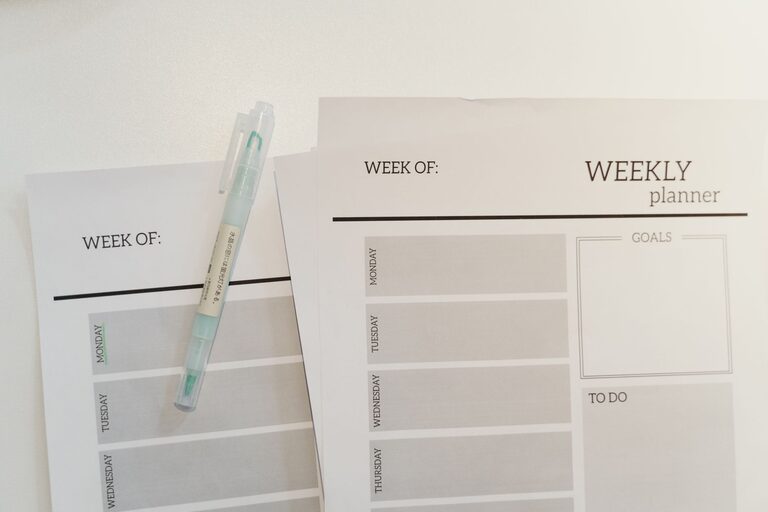
Physically writing down your goals increases commitment and clarity. Use a planner, digital app, or journal to note your goals and their deadlines.
– Organize your tasks by day.
– Set reminders or alarms if needed.
– Review your goals each morning to stay on track.
Step 7: Track Your Progress and Adjust as Needed
Tracking helps you stay accountable and motivated. At the end of each day or week:
– Review what you’ve accomplished.
– Celebrate your wins, no matter how small.
– Identify obstacles or tasks that took longer than expected.
– Adjust next week’s goals based on what you learn.
Tips for Staying Motivated Throughout the Week
– Set small rewards for completing goals.
– Share your goals with a friend or accountability partner.
– Stay flexible—it’s okay to adjust goals as circumstances change.
– Use positive self-talk to maintain motivation.
– Limit distractions during focused work times.
Common Mistakes to Avoid
– Setting too many goals at once.
– Being too vague or overly ambitious.
– Ignoring your personal energy rhythms.
– Not reviewing or reflecting on your progress.
– Forgetting to celebrate small achievements.
Conclusion
Setting realistic weekly goals is about balancing ambition with practicality. By reflecting on your long-term aims, prioritizing, and planning mindfully, you can create a goal-setting system that helps you make steady progress without feeling overwhelmed. Start this week by selecting a few clear, actionable goals and experience how focused planning transforms your productivity and motivation.