
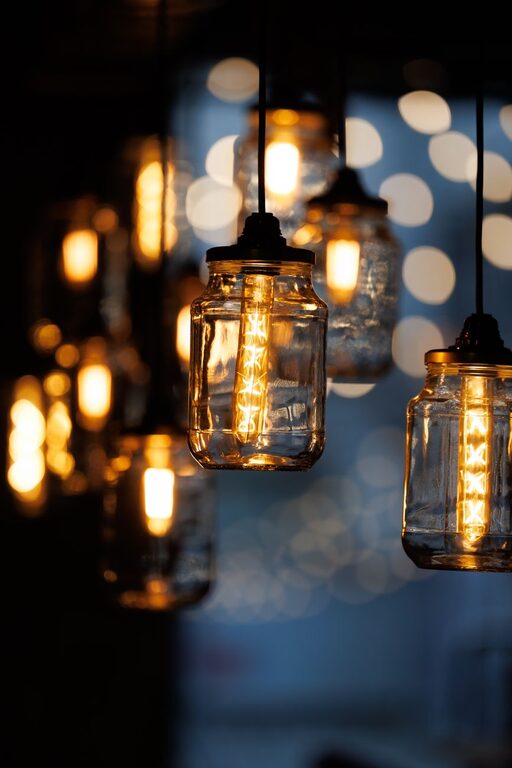
Tips for Choosing Comfortable Home Lighting That Enhances Your Space
Creating a comfortable and inviting atmosphere in your home starts with the right lighting. Whether you want to brighten a small nook or illuminate your entire living space, choosing the right lighting can significantly impact how your home feels and functions. This guide will help you understand what to consider when selecting lighting to make your home both beautiful and comfortable.
Why Comfortable Home Lighting Matters
Lighting affects mood, productivity, and overall well-being. Harsh or inadequate lighting can cause eye strain, headaches, and discomfort, while thoughtful lighting enhances the ambiance and makes daily tasks easier. Comfortable lighting balances brightness, color temperature, and style to complement your living space.
Key Factors to Consider When Choosing Home Lighting
1. Understand the Purpose of Each Room
Every room in your home has a different function, so lighting needs vary:
– Living Room: Needs layered lighting to support relaxation, reading, and socializing.
– Kitchen: Requires bright, focused lighting for cooking and meal prep.
– Bedroom: Benefits from soft, warm lighting to promote restfulness.
– Bathroom: Needs bright, clear light around mirrors for grooming.
– Home Office: Should have glare-free, adjustable lighting to reduce eye strain.
2. Choose the Right Light Bulbs
The type of bulb you choose affects brightness, energy use, and comfort.
– LED Bulbs: Energy-efficient, long-lasting, and available in various color temperatures.
– Incandescent Bulbs: Provide warm light but consume more energy and have a shorter lifespan.
– CFL Bulbs: Use less energy but may take time to reach full brightness.
3. Consider Color Temperature
Measured in Kelvins (K), color temperature influences the mood:
– Warm Light (2700K–3000K): Creates a cozy, relaxing atmosphere.
– Neutral Light (3500K–4100K): Balanced and bright, good for kitchens and work areas.
– Cool Light (5000K+): Crisp and energizing, suitable for task lighting and offices.
For comfortable home lighting, warmer tones are usually best in living spaces and bedrooms, while neutral lighting works well in kitchens and bathrooms.
4. Use Multiple Layers of Lighting
Combining different types of lighting adds depth and functionality:
– Ambient Lighting: General illumination that lights up the whole room, like ceiling fixtures or recessed lights.
– Task Lighting: Focused lighting for specific activities, such as reading lamps or under-cabinet kitchen lights.
– Accent Lighting: Highlights architectural features, artwork, or decor, adding visual interest.
Using layers helps you control brightness and mood more effectively.
Practical Tips for Comfortable Lighting in Key Spaces
Living Room Lighting Tips
– Combine overhead ambient lighting with floor or table lamps.
– Use dimmer switches to adjust brightness.
– Opt for bulbs with warm color temperatures (2700K–3000K).
– Position lamps near seating areas for easy reading.
Kitchen Lighting Tips
– Install bright, focused task lighting over countertops and sinks.
– Consider under-cabinet LED strips for shadow-free work surfaces.
– Use neutral-white bulbs (around 4000K) to keep the space fresh and clean.
Bedroom Lighting Tips
– Use soft, warm bedside lamps with adjustable brightness.
– Avoid harsh overhead lighting; consider ceiling fixtures with dimmers.
– Incorporate decorative lights like string lights or candles for ambiance.
Bathroom Lighting Tips
– Place bright, shadow-free lights around mirrors.
– Select cool or neutral white bulbs (3500K–4100K) for clear visibility.
– Avoid overly blue or cold light that can feel clinical.
Additional Tips for Comfortable Home Lighting
Invest in Dimmer Switches
Dimmer switches give you control over lighting intensity, allowing you to adjust brightness based on time of day or activity, which increases comfort and energy savings.
Choose Fixtures That Complement Your Decor
Lighting fixtures are not only functional but also contribute to your home’s style. Whether you prefer modern, rustic, or classic designs, select fixtures that match your decor to create a cohesive look.
Pay Attention to Natural Light
Maximize natural light during the day by keeping windows unobstructed and using light curtains. Natural light boosts mood and reduces dependence on artificial lighting.
Avoid Glare and Harsh Shadows
Position lights to reduce glare on screens or reflective surfaces. Use lampshades or diffusers to soften light and minimize harsh shadows.
Regularly Update Your Lighting
As your needs and preferences change, don’t hesitate to update your lighting. Modern LED options offer exciting features like color changing and smart controls, which can enhance comfort and convenience.
Conclusion
Comfortable home lighting combines functionality with aesthetics to enhance your living environment. By considering the purpose of each room, selecting the right bulbs, layering your lighting, and paying attention to color temperature, you can create a warm, inviting, and practical space. Remember to use dimmers, embrace natural light, and choose fixtures that reflect your style. With these tips, your home will not only look great but also feel comfortable at any time of day.
Lighting your home thoughtfully makes a noticeable difference. Take your time choosing the right solutions and enjoy how lighting can transform your space.
