
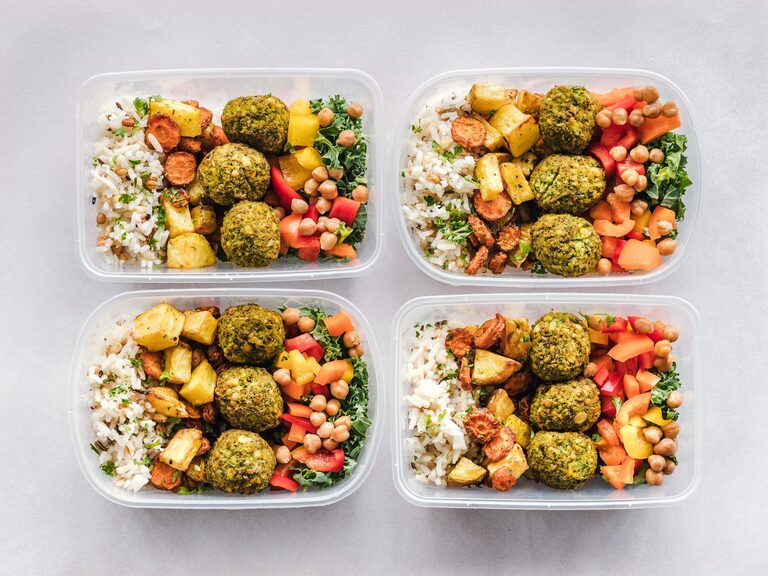
How to Plan Balanced Meals Without Stress: Simple Tips for Every Day
Planning balanced meals can sometimes feel overwhelming, especially with busy schedules and diverse food preferences. However, with a few straightforward strategies, you can enjoy nutritious meals without the stress. This guide will help you organize your meals, ensure variety, and maintain a balanced diet with ease.
Why Balanced Meals Matter
Balanced meals provide the nutrients your body needs to function well, maintain energy levels, and support overall health. A well-rounded meal typically includes a good mix of:
– Protein (such as poultry, beans, tofu)
– Healthy carbohydrates (whole grains, vegetables, fruits)
– Healthy fats (nuts, seeds, oils)
– Vitamins and minerals from fruits and vegetables
When these components come together, meals are both satisfying and nourishing.
Step 1: Understand Your Basics
Before planning, it helps to know the basics of a balanced plate. The classic “plate method” suggests:
– Half the plate filled with vegetables and fruits
– One-quarter with lean protein
– One-quarter with whole grains or starchy vegetables
This simple visual makes meal planning straightforward and adaptable to any cuisine.
Step 2: Keep a Weekly Meal Plan
Having a plan for the week reduces last-minute decisions and helps manage grocery shopping efficiently.
How to Create a Weekly Plan
- **Check Your Schedule**: Identify days when you have more or less time to cook.
- **Choose Meals Accordingly**: Plan quicker meals for busy days and more involved recipes when you have time.
- **Balance Nutrients Across Meals**: Make sure each meal offers a balance of protein, carbs, and vegetables.
- **Include Leftovers**: Plan to use leftovers for lunches or easy dinners to save time and reduce waste.
Step 3: Shop Smart
Shopping with a clear list based on your meal plan is key to stress-free cooking.
Tips for Efficient Shopping
– Organize your list by store sections (produce, dairy, meat, grains).
– Stick to whole foods and minimally processed ingredients.
– Buy versatile items like frozen vegetables and canned beans for convenience.
– Choose seasonal produce for freshness and better prices.
Step 4: Prep in Advance
Meal prepping can significantly reduce daily cooking stress.
Simple Prep Ideas
– Wash and chop vegetables ahead of time.
– Cook grains or proteins in bulk.
– Portion snacks like nuts or fruit for easy access.
– Use containers to store ingredients separately or in ready-to-eat meals.
Step 5: Mix and Match Meals
To keep meals interesting and balanced, use a flexible approach.
– Swap out vegetables or proteins based on what’s available or preferred.
– Use different herbs, spices, and sauces to add flavor variety without extra calories.
– Try theme nights (e.g., Meatless Monday, Taco Tuesday) to streamline choices.
Step 6: Listen to Your Body
Balanced eating doesn’t mean perfection. Pay attention to your hunger cues and preferences.
– Eat when you’re hungry and stop when satisfied.
– Include treats occasionally without guilt.
– Adjust portion sizes and food choices based on your activity level and wellbeing.
Sample Balanced Meal Ideas
Here are some easy examples to inspire your planning:
– Grilled chicken, quinoa, roasted broccoli, and a side salad
– Lentil soup with whole-grain bread and steamed carrots
– Stir-fried tofu with mixed vegetables and brown rice
– Baked salmon, sweet potato wedges, and steamed green beans
– Veggie omelette with whole-wheat toast and fresh fruit
Tips for Family Meal Planning
When planning for others, consider their tastes and nutritional needs.
– Involve family members in meal selection.
– Prepare versatile dishes that everyone can customize.
– Offer a variety of colors and textures to make plates appealing.
– Encourage trying new foods gradually.
Final Thoughts
Planning balanced meals doesn’t have to be stressful. With basic knowledge, a little preparation, and flexibility, you can create meals that nourish your body and fit comfortably into your lifestyle. Start small, keep it simple, and enjoy the process of eating well.
—
By following these steps and using a practical approach, meal planning becomes a manageable and even enjoyable part of your routine. Eating balanced meals helps support your overall health and happiness—without the stress.
